Softcrest

Custom Design & Strategy

Real clarity comes from knowing what to cut

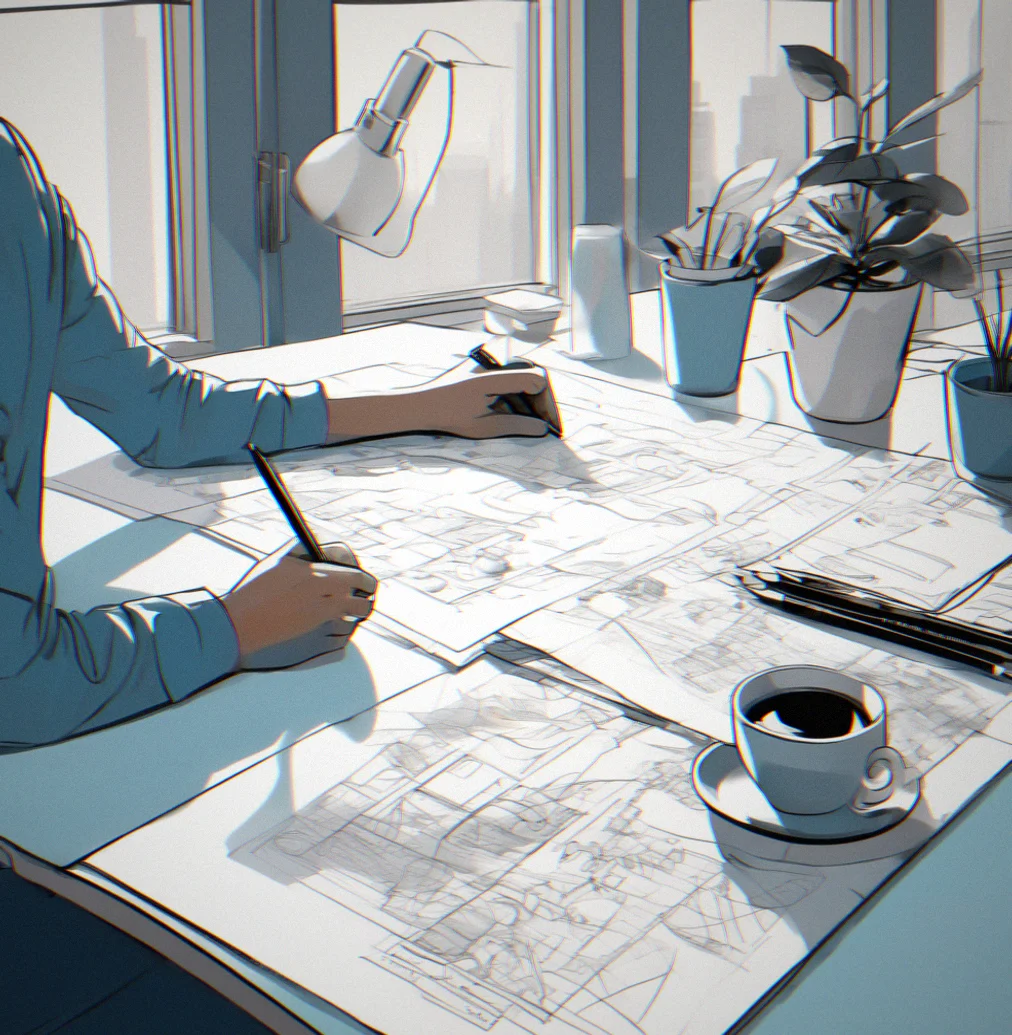
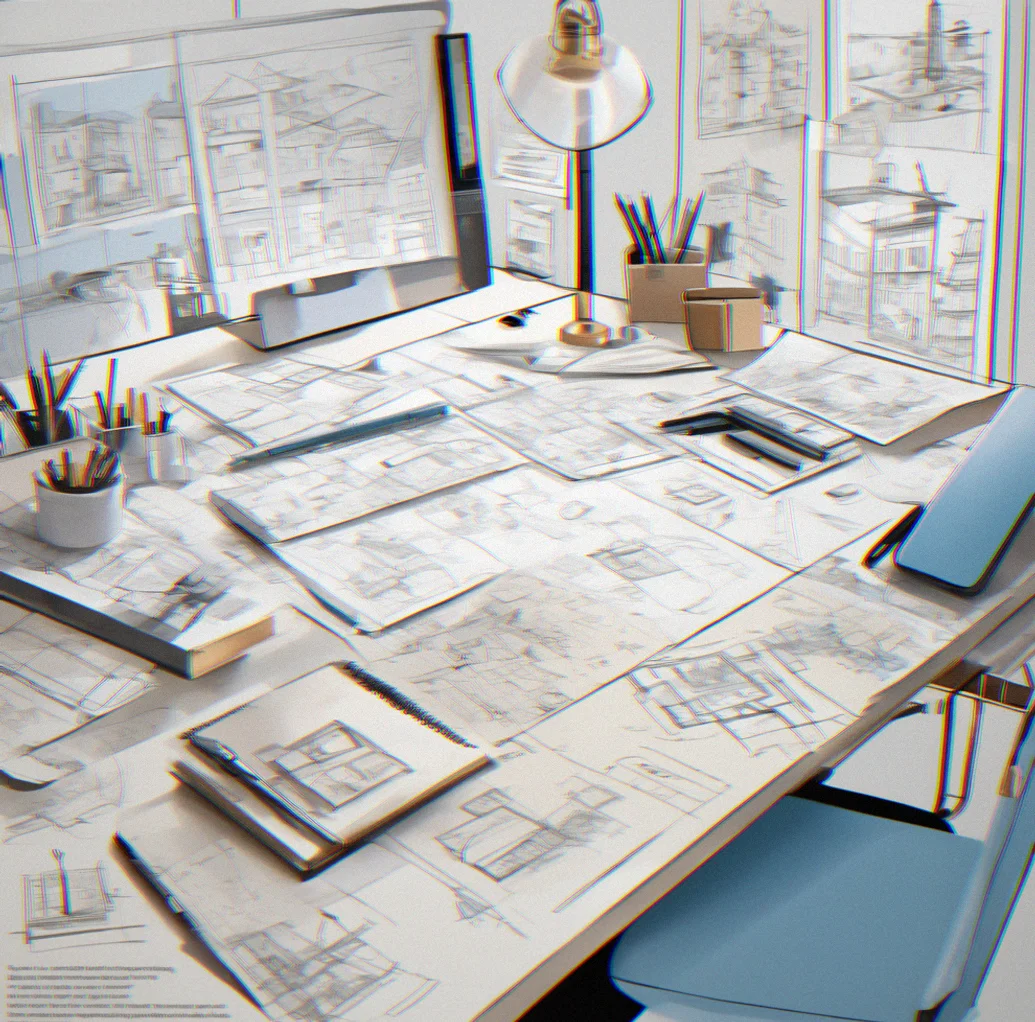
Clean desk with design notes and architectural sketches spread across the surface

We build brand systems and digital work for architects, studios, and creative directors who care more about substance than surface.

Your practice is built on work that means something. Your clients demand precision. The people you work with need to get that real sophistication lives in what you decide not to do. Adding more always feels easier than figuring out what actually matters.

We make custom brand systems, thoughtful web experiences, and strategies that speak clearly. No chasing trends. No off-the-shelf solutions. The work takes time and that's exactly right. The difference between something that's just decorated and something that's genuinely disciplined shows up immediately.
03

How we work

Three things that make this different from a typical agency

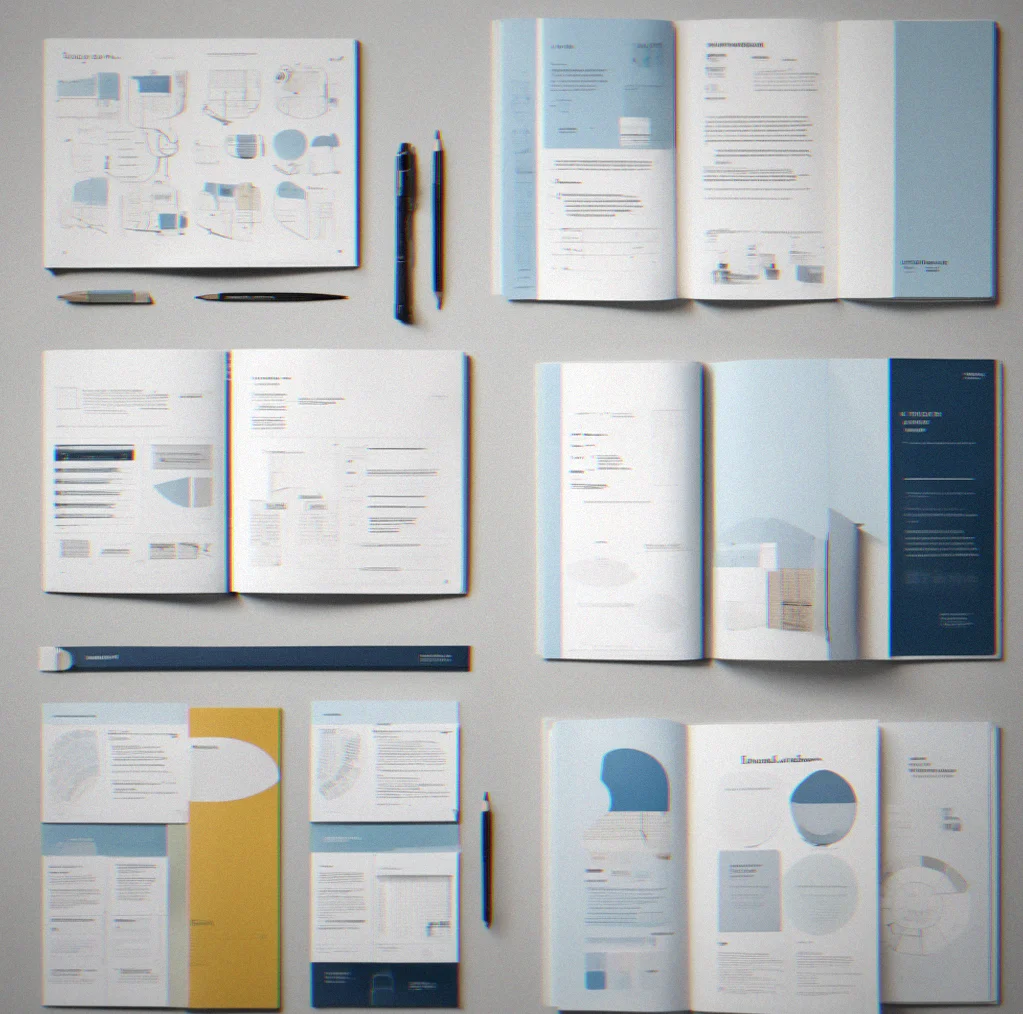
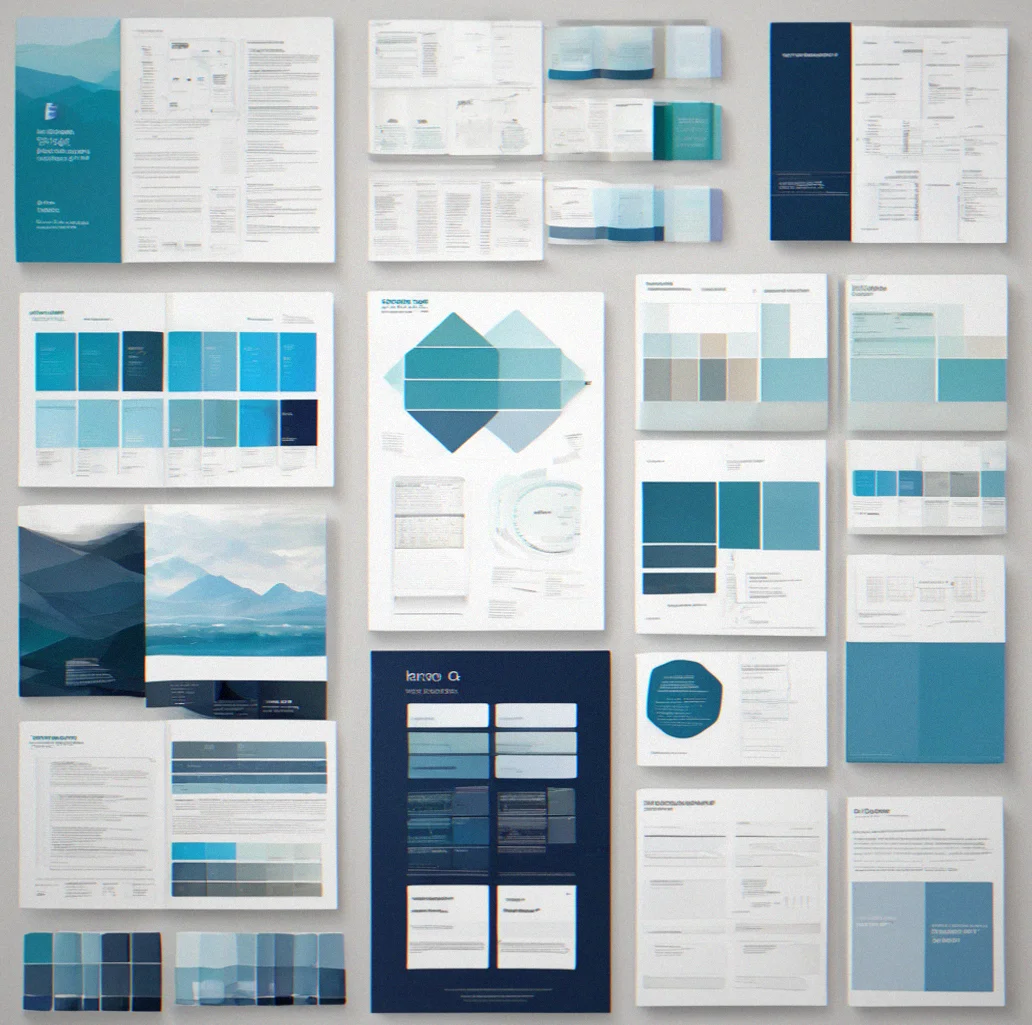
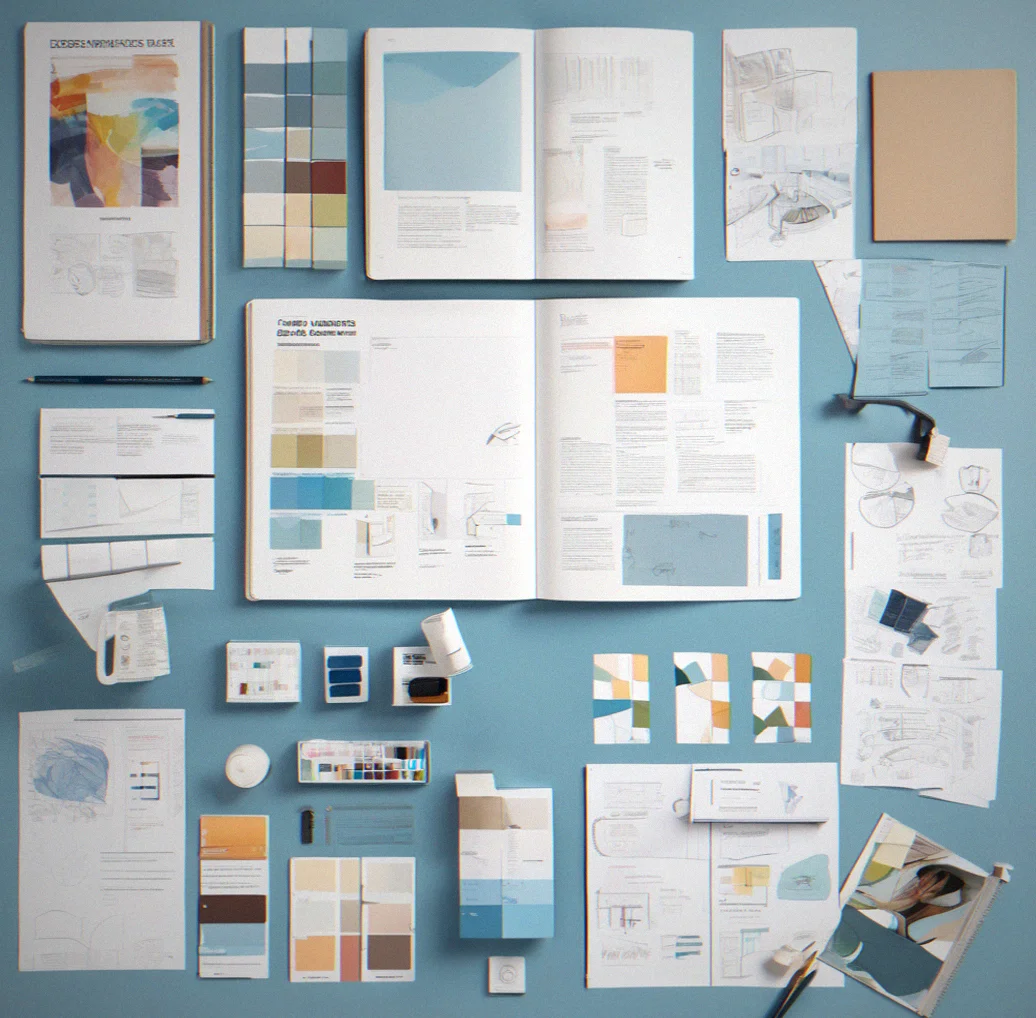
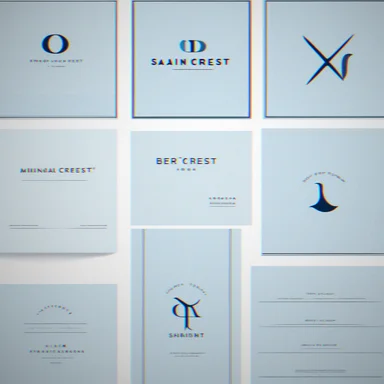
Detailed brand guideline documentation showing typography scales, color palettes and layout grids

Systems, not one-offs

A logo and a brand system aren't the same thing at all. We design the whole structure—how your type scales, where colors go, your grid, the component pieces—so you can expand without your voice getting lost. You won't be calling us every time you need to spin up something new.

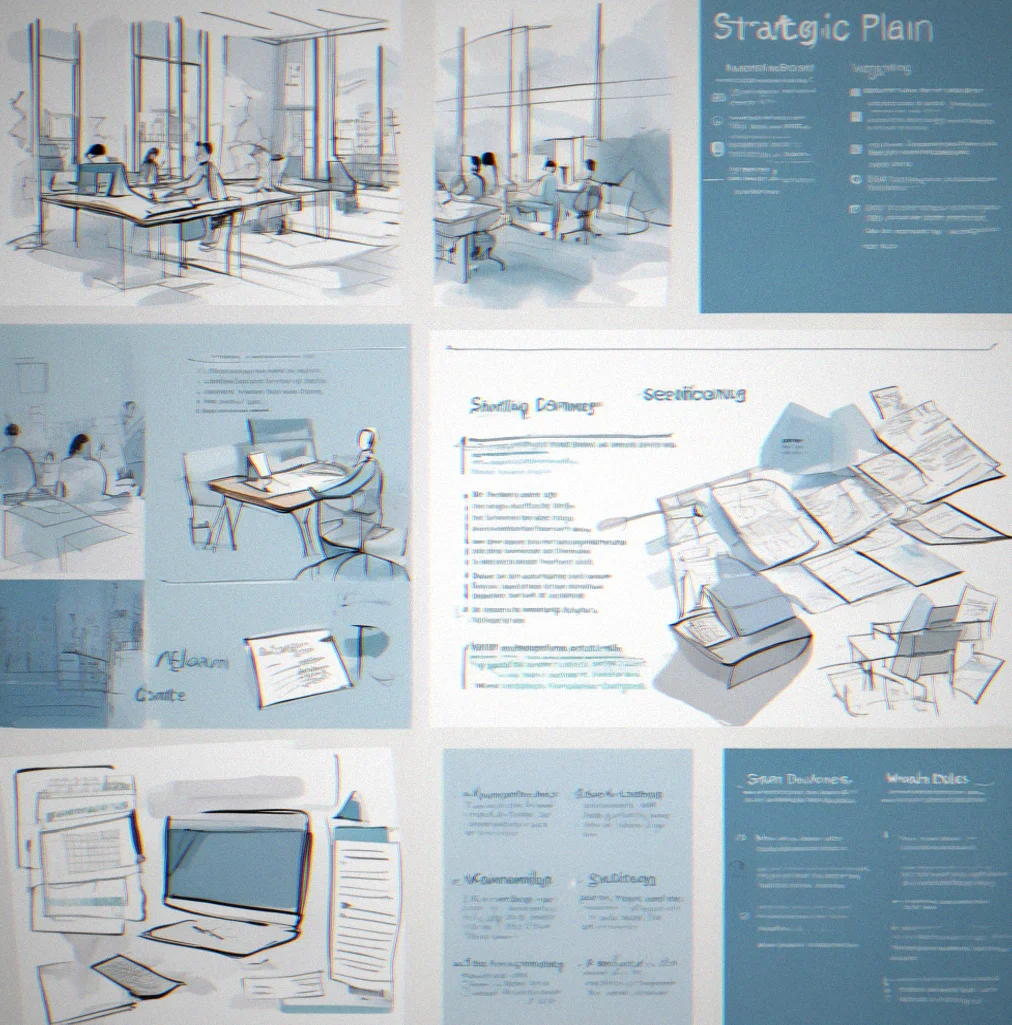
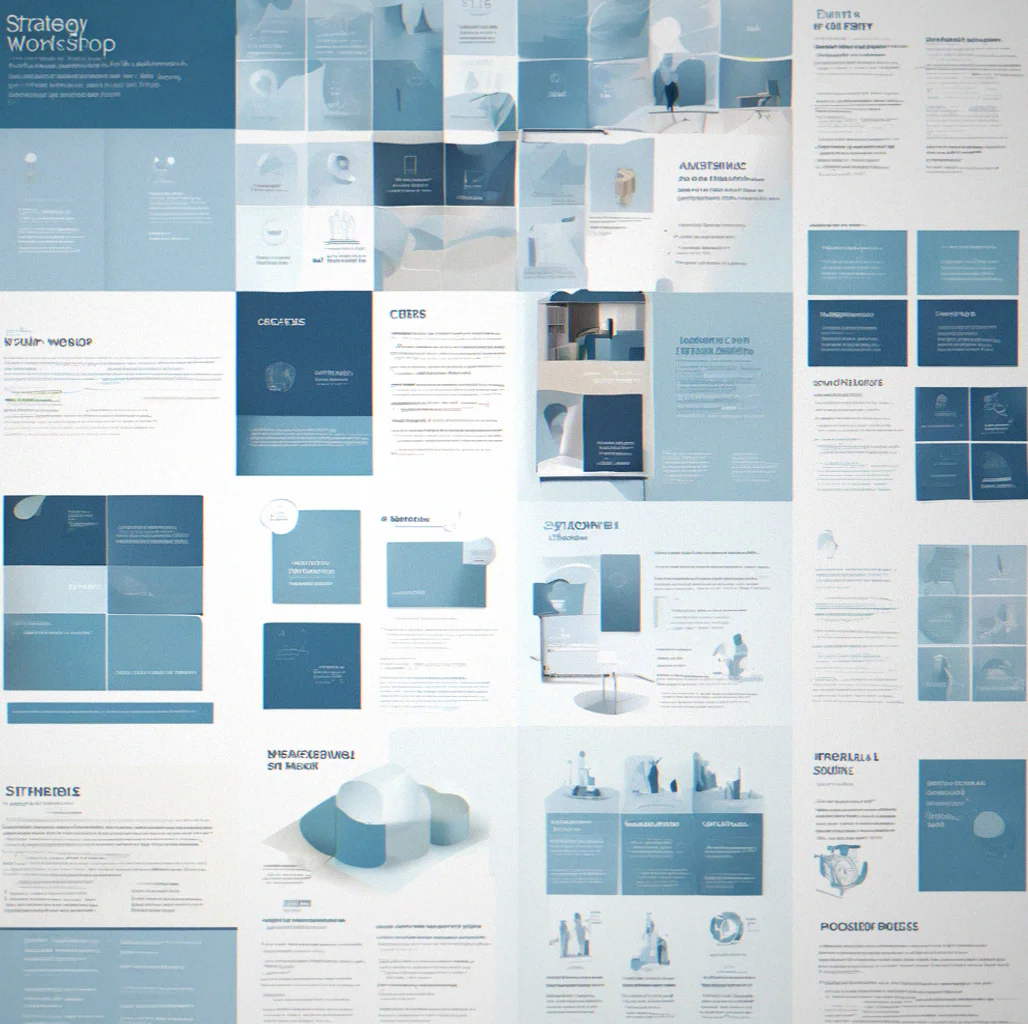
Strategic planning seession with written notes, audience mapping, and positioning framework sketches

Strategy before pixels

We actually sit with the work first. Who are you talking to? Who else is in this space? What do you need to say and in what order? It's not the flashy part, but it's the part that matters. By the time we start designing, the thinking is already solid, so everything moves faster and feels more sure.

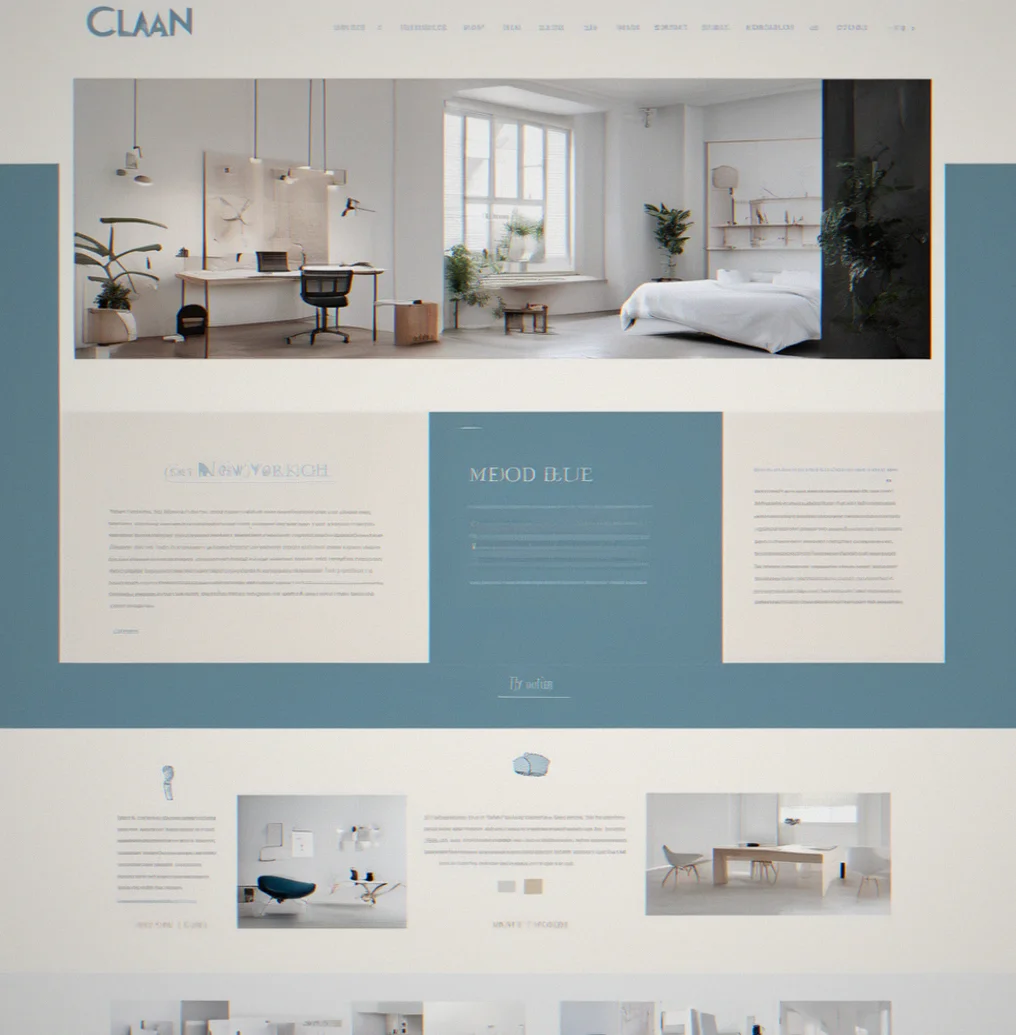
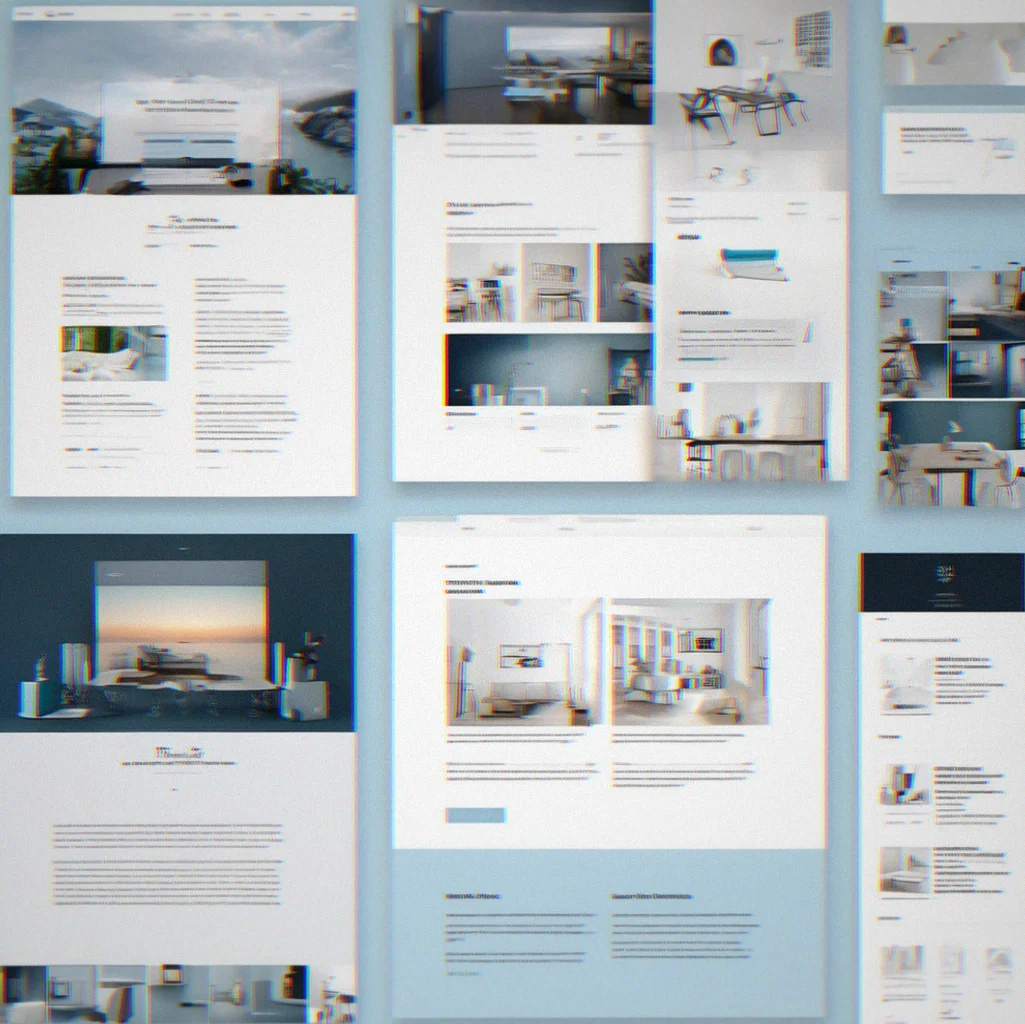
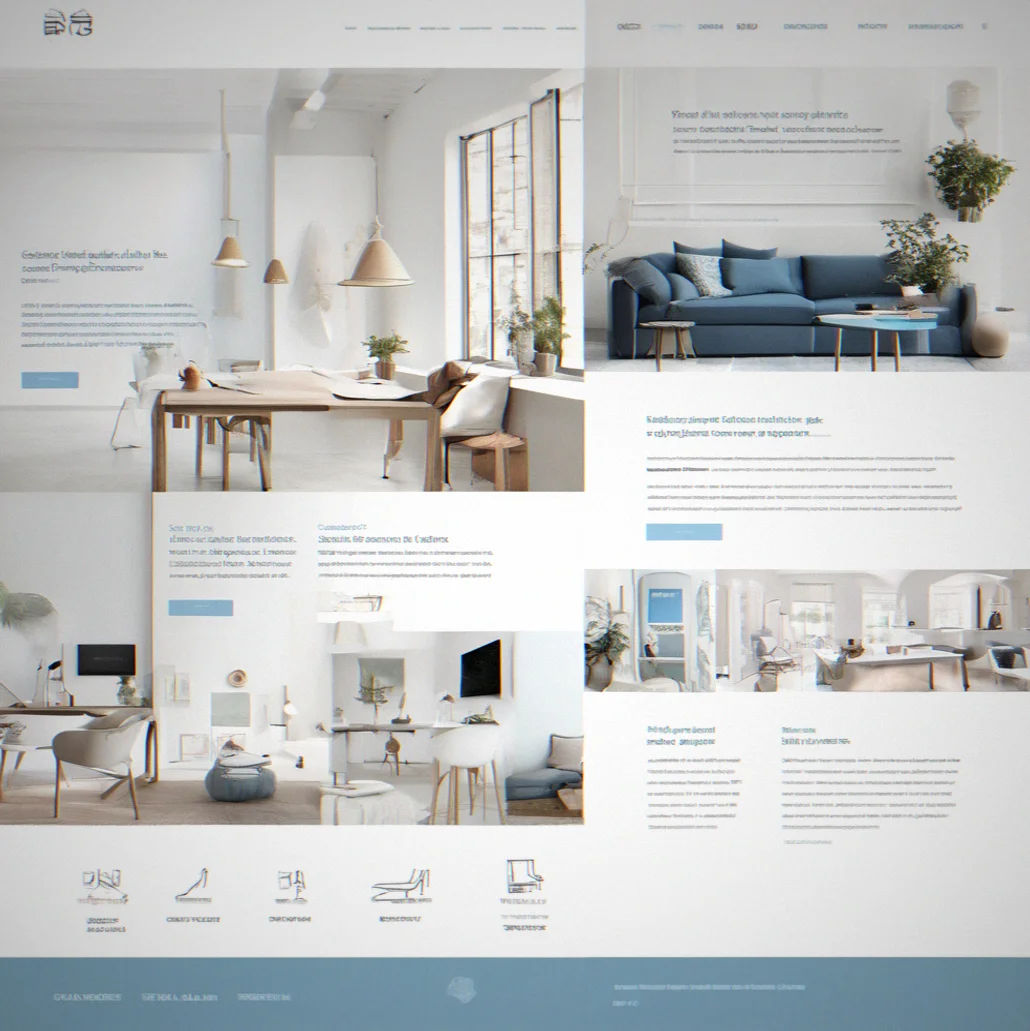
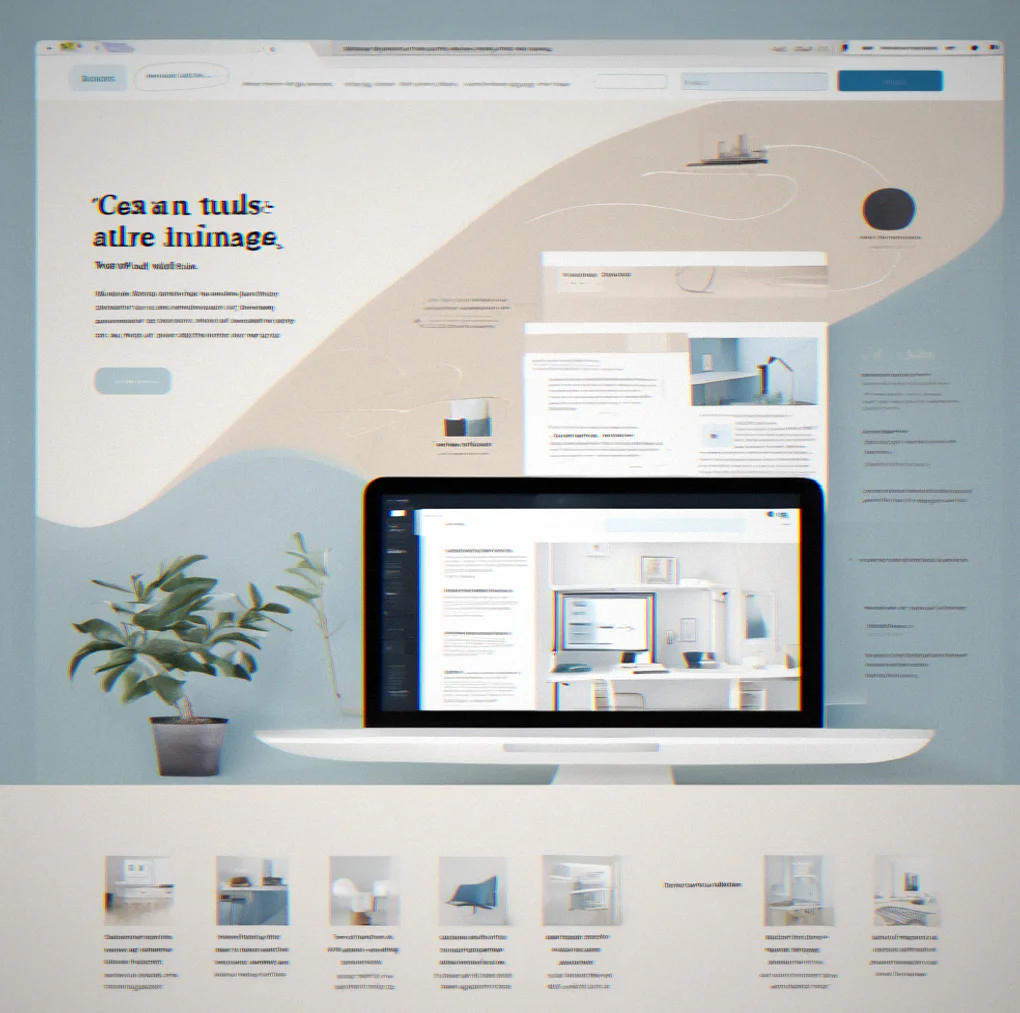
Clean website interface demonstrating minimal color palette and restrained typography treatment

Restraint scales

Good work doesn't need a ton of animation, fancy gradient tricks, or type combinations that feel clever for the sake of it. Usually that makes it worse. We build tight. Limited color palette. Straightforward choices. It works across everything because there's nothing loose enough to fall apart.

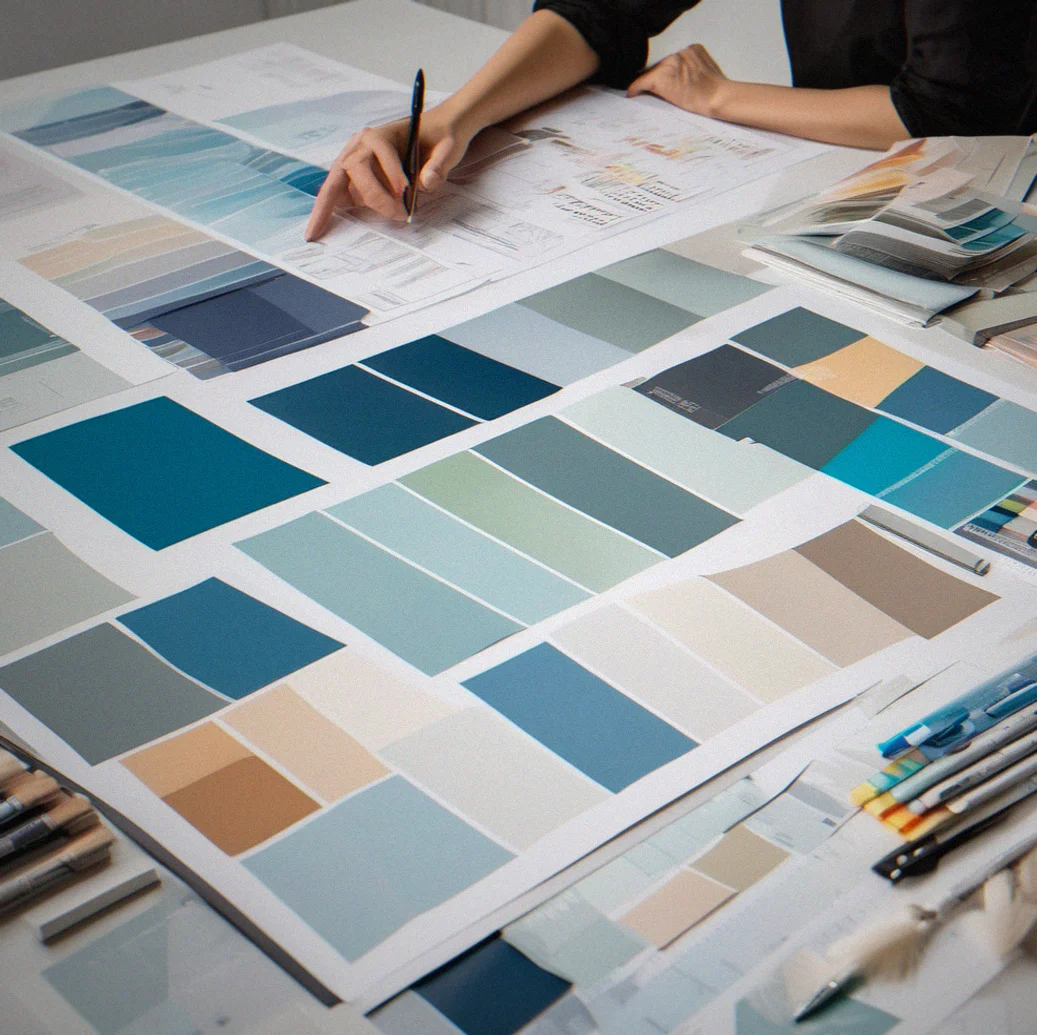
Designer looking over printed brand guidelines spread out with color swatches and font samples
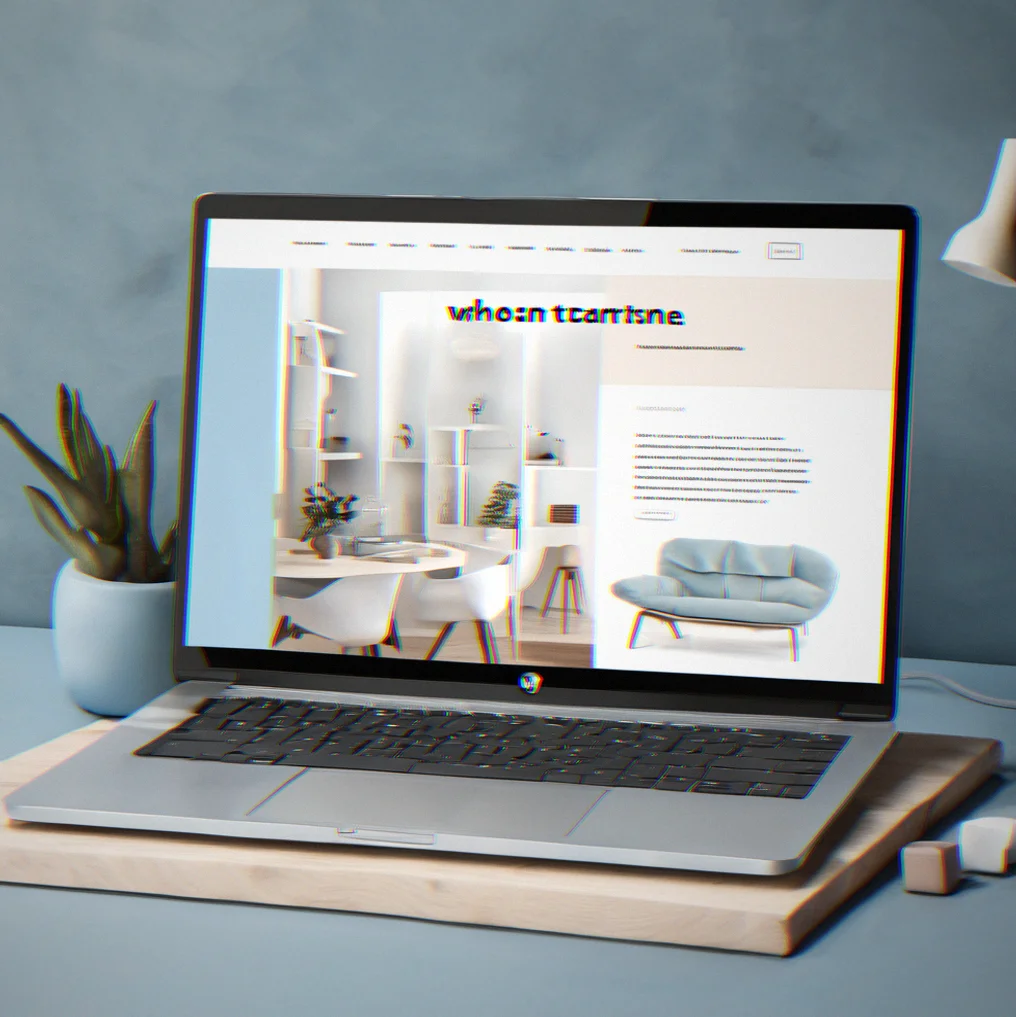
Website on a laptop screen with clean spacing and well-balanced type
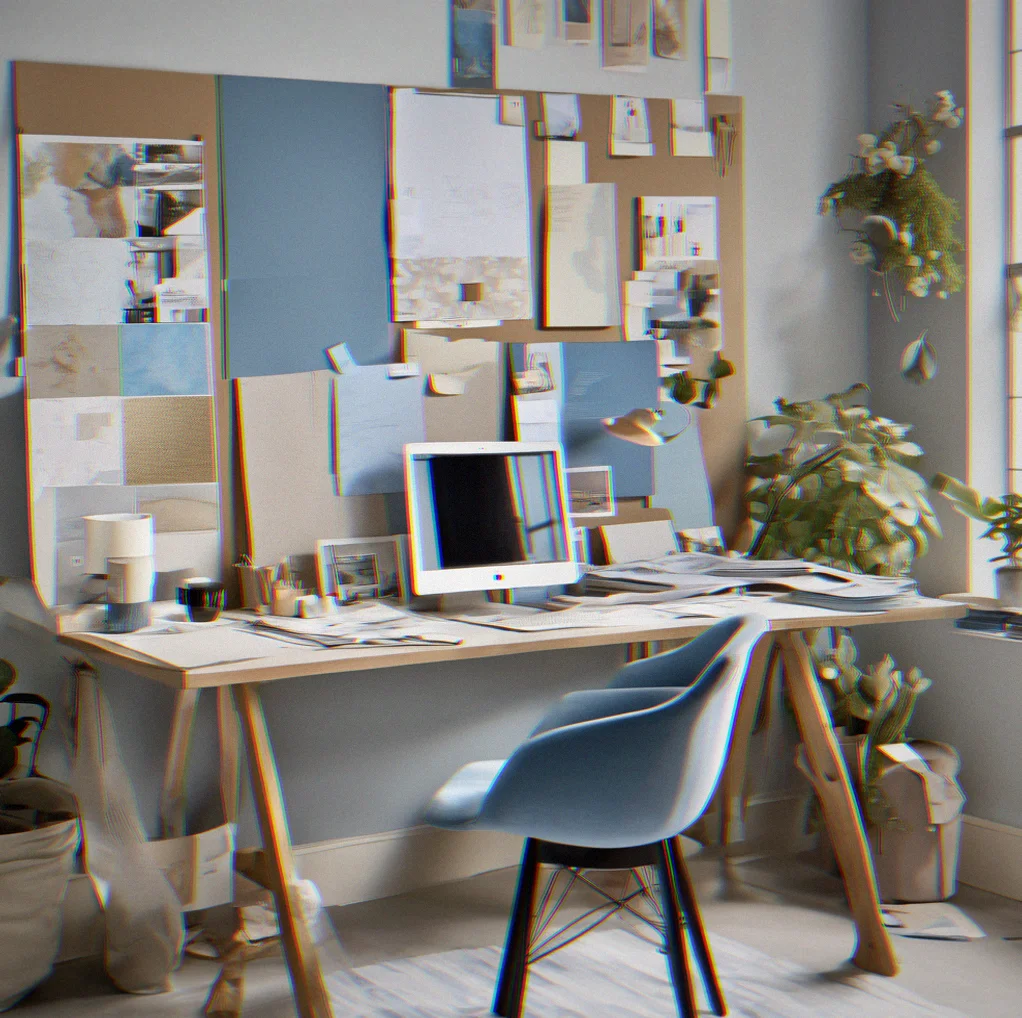
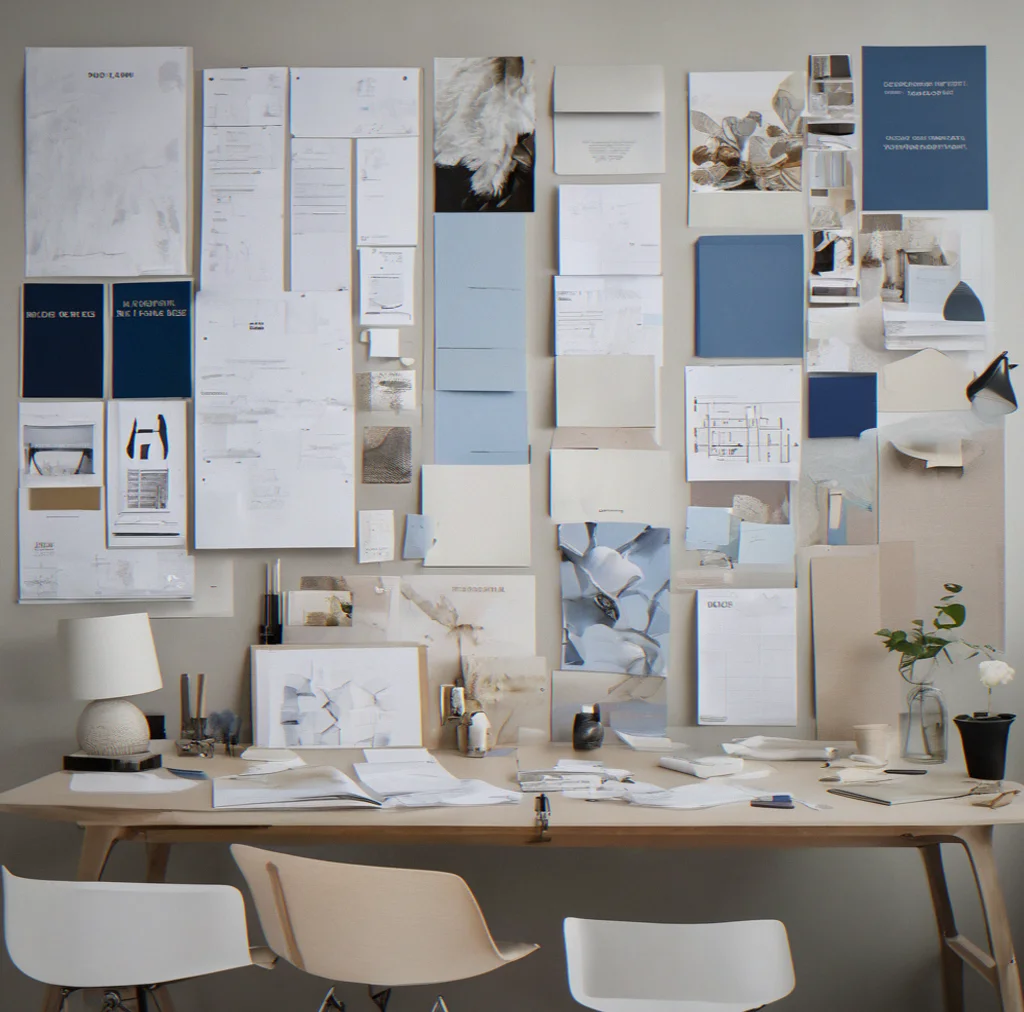
Studio workspace with mood boards tacked to the wall showing color ideas and design direction
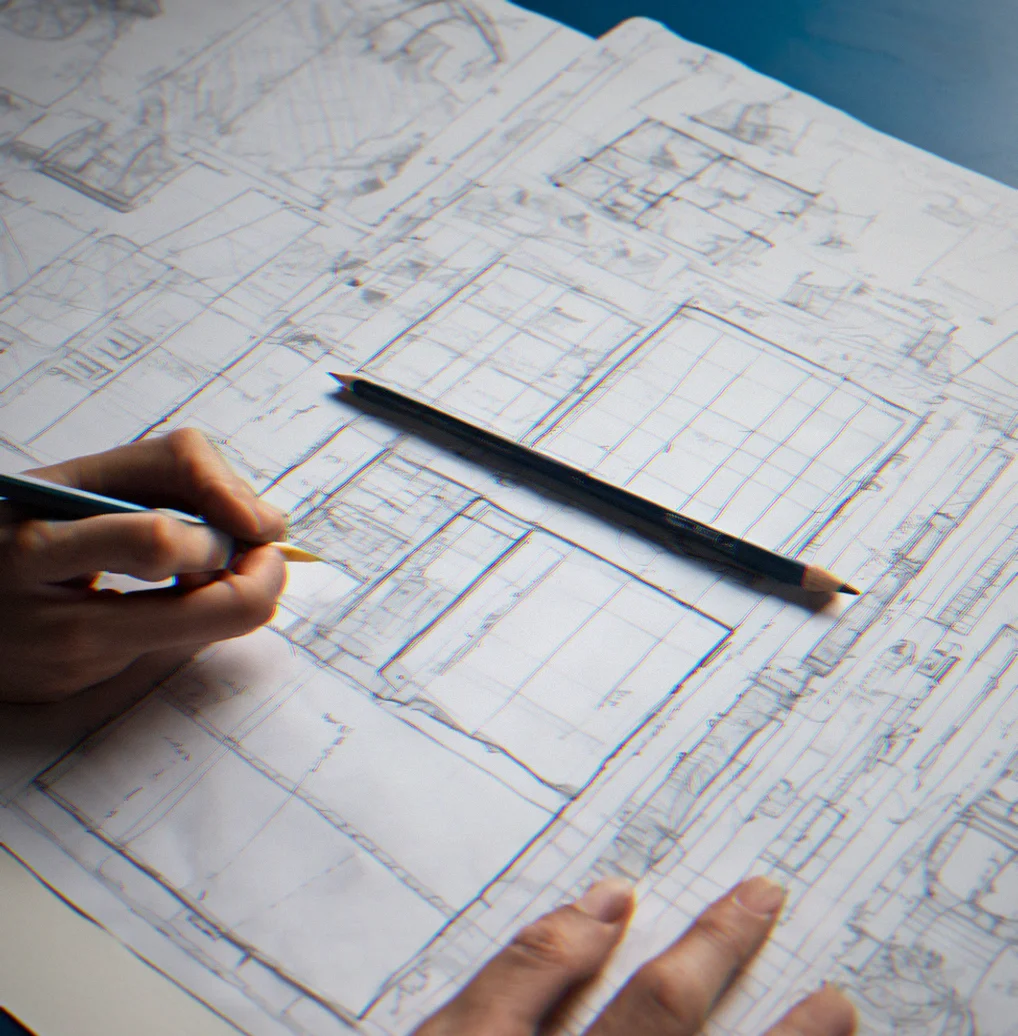
Someone sketching wireframes and layout grids by hand with a pencil and ruler on tracing paper
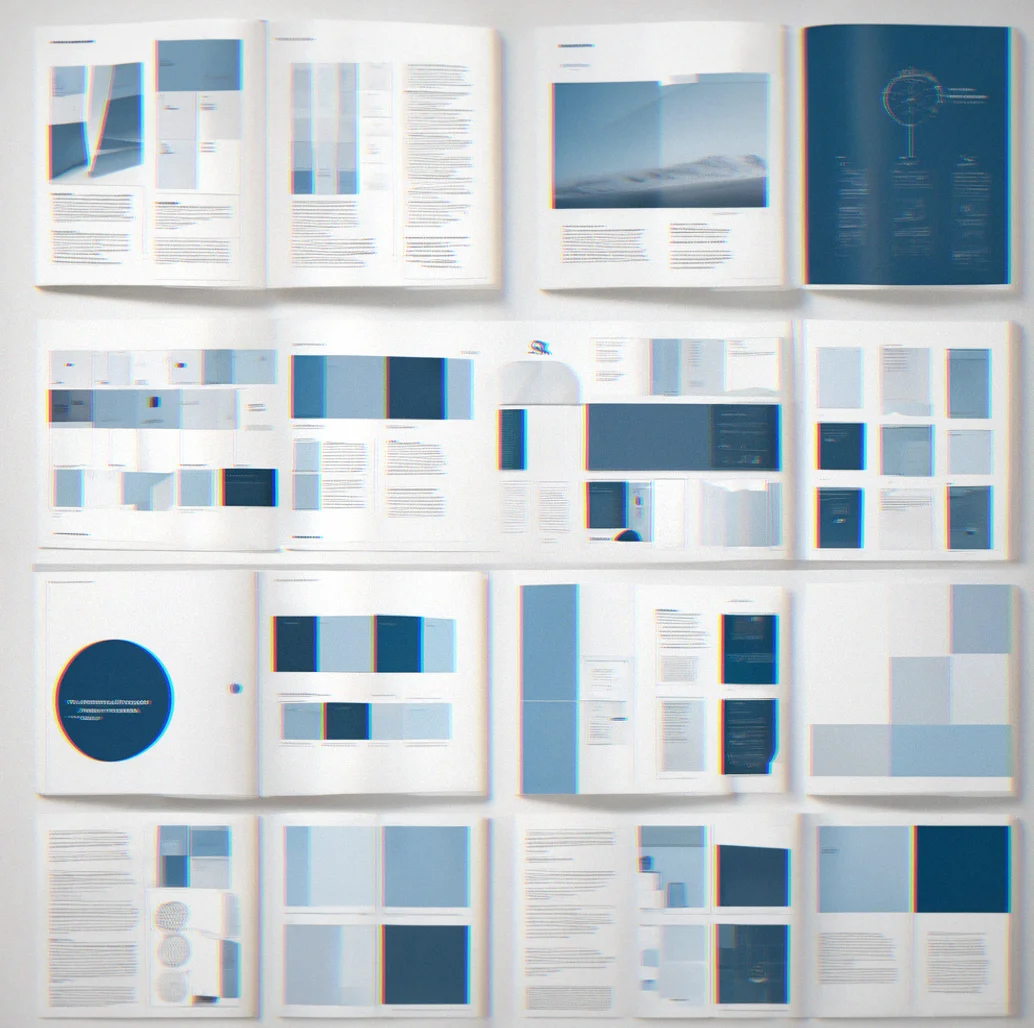
Pages from a brand system showing component parts, spacing rules and how to use everything
Portfolio site loaded on different devices, responsive and viisually consistent across all screens

What you're actually getting

Three things. That's it.

Comprehensive brand system showing color palette with hex codes, typography scale, and spacing grid documentation

Brand architecture

We're not building five logo variations here. This is about a system that works when you're applying it to dozens of things—maybe hundreds down the line. Color logic, typographic rules, spacing principles. Component patterns that stay clean as you scale. Yeah, there's more work at the start. But it pays for itself.

Strategy workshop materials with competitive analysis grid, audience personas and positioning statement framework

Strategic positioning

Ask most design studios why a client should pick them over someone else and you'll get silence. We actually do the work—competitive mapping, figuring out who your audience really is, getting the message hierarchy right. It's boring stuff. But once it's done, the design decisions make themselves. Faster. Cleaner. Something you can actually defend.

Website interface showing clean typography, ample whitespace, and responsive layout across desktop and mobile views

Refined digital presence

A website that's trying too hard is a website that fails. Load time matters—we're aiming for just over a second on slower connections. Navigation should feel obvious. Every interaction should feel right, not clever. You end up with something you can actually keep running, not a design from a few years back that you're too nervous to update.

Design desk with printed brand guidelines spread out, showing color swatches and typography hierarchies mixed in with sketches
Laptop showing a website with minimal navigation, plenty of breathing room and two typefaces that actually work together in a neutral color scheme
Studio wall with a mood board pinned up showing brand direction, color tests, and reference images for a luxury consultancy brand

Work in progress

Here's what actually happens inside a client project. There are conversations about how to position the work. Sketches get made and thrown away. You test type families at different weights and sizes to see what works. Documentation gets written and outlasts everything else, which matters more than you'd think.

Common questions

FAQ

There's nothing hidden about what we do, but it takes a lot longer than templated work. Here are the things people usually ask before they decide to move forward.

Usually somewhere between eight and twelve weeks. That's strategy, design iterations, system documentation, and getting your team trained on how to use everything. We don't move fast. But you get something you can actually maintain and scale.

Not really. A mark without the system behind it causes headaches later. We start with positioning and structure first, then the logo comes out of that foundation. It's backwards to do it the other way.

A typographic scale with actual usage rules. Color palette built for accessibility. Grids. Component patterns. Spacing that makes sense. Full documentation so your team knows how to apply it across everything from print to digital. Photography direction if that matters for your work. Basically the stuff you need to keep things consistent without having to call us every time.

It depends what we're looking at. Sometimes a solid foundation just needs refinement or translation to digital. Other times the positioning underneath is shaky, and that's where the real conversation starts. An audit usually tells us whether a refresh will do it or if we need to rebuild from scratch.

There's no standard price for custom work. A positioning project with a full brand system typically runs somewhere between eighteen and forty-five thousand, depending on how complex things get. Adding a website is another piece. Everything gets scoped individually. The initial conversation doesn't cost anything.

We do. Some teams want us checking in quarterly on strategy. Others need us available when they're rolling out new brand applications. Website maintenance is usually monthly. We figure out what actually makes sense instead of selling you retainer hours you won't use.

Not our approach. We build for the long haul. That means picking typefaces and color systems that still work five years down the road, not just this month. Trendy work looks dated fast, especially when you're in a professional space where people pay attention.

Revisions are built into the process, usually two substantial rounds before final delivery. If we're pulling in completely different directions on what the brand should be, we catch that early and talk through it. We're not going to push something you don't actually believe in.

Someone sitting at a clean desk with a coffee cup, sketching out ideas on a brand strategy sheet, pen in hand

Let's talk

Most projects kick off with a quick 20-minute call where we figure out what you're really trying to do and where you want to go.